Paw Print SVG: A Guide to Choosing, Using, and Maximizing Your Digital Design Files
If you're looking for high-quality, versatile design files that can be used across multiple platforms and applications, Paw Print SVG might be the perfect choice. This digital product includes a wide range of file types—SVG, PNG, JPG, EPS, and DXF—all designed to offer flexibility and compatibility for both beginners and professionals. But before you dive in, it's important to understand what you're getting, how to use it effectively, and how to avoid common pitfalls that could impact your workflow or final results.
Understanding What Paw Print SVG Offers
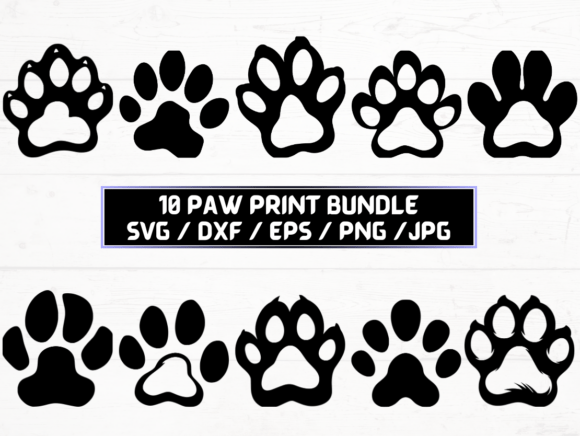
Paw Print SVG is more than just a set of images—it’s a collection of scalable vector graphics and raster images tailored for creative projects. Each file comes in multiple formats, ensuring that you have the right tool for every situation. Whether you're working on a print project, designing a website, or creating marketing materials, these files are built to adapt and scale without losing quality.
The package includes 10 SVG, 10 PNG, 10 JPG, 10 EPS, and 10 DXF files, all at 300 dpi with transparent backgrounds. This level of detail and versatility makes them ideal for use in graphic design software like Adobe Illustrator, CorelDRAW, Inkscape, and even web development tools like Figma or Sketch.
Common Mistakes When Using Paw Print SVG
While Paw Print SVG offers great value, there are several common mistakes people make when choosing and using these files. Understanding these can help you save time, money, and effort in the long run.
1. Not Checking File Compatibility
One of the most frequent errors is assuming that all file types will work seamlessly across different programs. For example, while SVG files are universally compatible with most vector editing software, some older versions of design tools may not support newer SVG features. Similarly, EPS files are great for print but may not render correctly in web-based applications.
Tip: Always check the file format requirements of your design software before importing. If in doubt, test one file first to ensure compatibility before committing to the full set.
2. Ignoring File Resolution and Backgrounds
Even though Paw Print SVG files are provided at 300 dpi, it's crucial to verify whether they are suitable for your intended use. High-resolution files are essential for print, but lower resolution (72 dpi) might be sufficient for web use. Additionally, transparent backgrounds are a major advantage, but if your project requires a solid background, you’ll need to adjust accordingly.
Tip: Consider the end-use of your design. If you’re printing, double-check the resolution and background type. If you’re using the files online, ensure they’re optimized for web performance.
3. Overlooking Licensing and Usage Rights
Many users overlook the licensing terms associated with digital products like Paw Print SVG. While this particular listing doesn’t mention specific restrictions, it’s always wise to review the license agreement carefully. Some files may be restricted for commercial use, or may require attribution, which can affect how you distribute or sell your designs.
Tip: Read the terms of service thoroughly before purchasing. If unsure, reach out to the seller for clarification. Knowing your rights ensures you can use the files confidently without legal concerns.
How to Get the Most Out of Paw Print SVG
Using Paw Print SVG effectively means understanding not just the files themselves, but also how they fit into your workflow. Here are some practical tips to help you maximize their potential:
1. Organize Your Files
With 50 files in total, it’s easy to get overwhelmed. Create a clear folder structure to keep everything organized. Group files by format, purpose, or project to streamline your workflow. This will save you time when searching for the right file later.
2. Test Before You Commit
Before investing in a full set of files, consider testing one or two to see if they meet your needs. This allows you to gauge quality, compatibility, and usability without committing to the entire purchase. It’s a small step that can prevent unnecessary expenses down the line.
3. Use the Right Software
Make sure you're using the appropriate software for each file type. For example, SVG files are best edited in vector programs like Adobe Illustrator or Inkscape, while JPG and PNG files are more suited for photo editing or web design. Using the wrong software can lead to formatting issues or loss of quality.
What to Check Before Making a Decision
Before purchasing Paw Print SVG, there are several factors you should consider to ensure it’s the right fit for your needs:
- Intended Use: Are you planning to use these files for print, web, or both? Different uses may require different file types and resolutions.
- Software Compatibility: Confirm that your design tools support the file formats included.
- Licensing Terms: Review the license agreement to understand usage rights and restrictions.
- Quality and Detail: Examine sample files to ensure they meet your expectations in terms of clarity and detail.
- Support and Updates: Does the seller offer customer support or updates for future releases?
By taking the time to evaluate these aspects, you’ll be better equipped to make an informed decision and avoid common pitfalls.
Conclusion
Paw Print SVG is a valuable resource for designers, creators, and entrepreneurs looking for flexible, high-quality design files. However, like any digital product, its success depends on how well you understand its features, limitations, and proper usage. By avoiding common mistakes and following best practices, you can unlock the full potential of these files and enhance your creative output.