Mushroom Laser Cut: A Guide to Choosing, Using, and Avoiding Common Pitfalls
Whether you're a hobbyist, a small business owner, or a professional designer, Mushroom Laser Cut can be a valuable tool in your creative arsenal. This digital product offers a wide range of high-quality files in multiple formats—SVG, PNG, JPG, DXF, and EPS—making it versatile for laser cutting, printing, and design projects. But like any digital asset, there are nuances to consider before diving in.
What Is Mushroom Laser Cut?
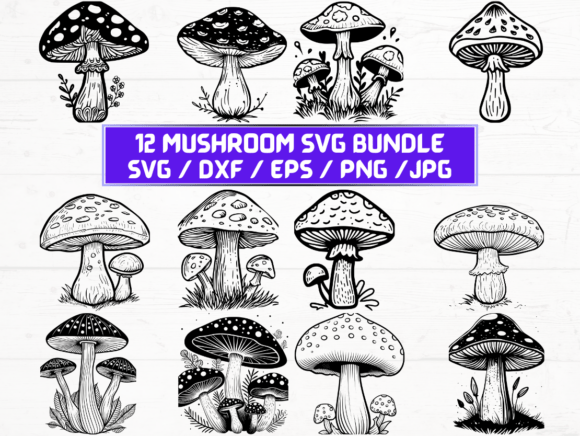
Mushroom Laser Cut is a collection of 5 files in a ZIP folder that includes 12 SVG, 12 PNG, 12 DXF, 12 JPG, and 12 EPS files. Each file is designed with a transparent background and a resolution of 300 dpi, ensuring clarity and precision when used in various applications. These files are ideal for anyone looking to create custom designs, craft items, or incorporate mushroom motifs into their projects.
As a digital product, Mushroom Laser Cut is delivered instantly through a download link. No physical product is sent, which makes it an accessible and cost-effective option for creators who need high-quality assets without the hassle of shipping or waiting.
Common Mistakes When Using Mushroom Laser Cut
While Mushroom Laser Cut is a powerful resource, users often make mistakes that can impact the final outcome. Here are some common pitfalls to avoid:
- Not Checking File Compatibility: Not all software supports every file format. For example, while SVG files work well with most vector editing tools, some older programs may not handle them properly. Always verify that your chosen software supports the format you’re using.
- Ignoring Resolution Requirements: Although the files are provided at 300 dpi, using them on lower-resolution printers or displays can result in blurry or pixelated images. Ensure your project requirements match the file's intended use.
- Overlooking Transparent Backgrounds: The transparent backgrounds in these files are essential for layering and design flexibility. If you're using the files in a program that doesn’t support transparency, you might end up with unwanted white borders or misaligned elements.
- Downloading Without Understanding the Format: Some users may not realize the differences between vector (SVG, DXF, EPS) and raster (PNG, JPG) formats. Vector files are scalable without loss of quality, making them ideal for laser cutting, whereas raster files are best suited for print or web use.
How These Mistakes Can Affect Your Work
Ignoring these considerations can lead to wasted time, frustration, and subpar results. For instance, using a PNG file in a laser cutter without checking its compatibility could result in incorrect cuts or incomplete shapes. Similarly, not accounting for transparency can cause design elements to appear off-center or distorted when applied to a background.
Additionally, failing to understand the file types can lead to inefficiencies. If you're working on a project that requires scalability, such as signage or packaging, using a raster file instead of a vector one could mean redoing the entire design from scratch.
Practical Advice for Using Mushroom Laser Cut Effectively
To get the most out of Mushroom Laser Cut, follow these tips:
- Review the File Formats: Understand the strengths and limitations of each format. Use SVG, DXF, or EPS for laser cutting and scalable designs. Opt for PNG or JPG if you need high-quality prints or web graphics.
- Test Before Committing: Download a few sample files and test them in your preferred software. This helps identify any compatibility issues or formatting quirks early on.
- Check for Transparency: If you're planning to layer the files or apply them to different backgrounds, ensure the transparent areas are correctly rendered in your design software.
- Use High-Quality Printers: If you're planning to print the files, invest in a printer that supports 300 dpi resolution. Lower-quality printers can compromise the clarity of your final output.
- Keep Backups: Digital files can be lost or corrupted. Store copies of your downloaded files in multiple locations, such as cloud storage or external drives.
What to Check Before Making a Decision
Before purchasing Mushroom Laser Cut, consider the following factors:
- Your Project Needs: Are you looking for vector or raster files? Do you need transparency or high-resolution prints? Choose the format that aligns with your goals.
- Software Compatibility: Confirm that your design software supports the file formats included. If not, look for alternative solutions or convert the files to compatible formats.
- Quality Expectations: While the files are provided at 300 dpi, ensure they meet the quality standards required for your specific application. Test them in real-world scenarios if possible.
- Support and Resources: Check if the seller provides any additional guidance or support. Having access to tutorials or FAQs can save you time and prevent common mistakes.
- Cost vs. Value: Compare the price of Mushroom Laser Cut with similar products. Consider whether the included files justify the cost based on your project scope and needs.
Conclusion
Mushroom Laser Cut is a versatile and valuable resource for designers, crafters, and creators. By understanding the file formats, testing compatibility, and considering your project requirements, you can maximize the potential of this digital product. Avoid common pitfalls by staying informed and proactive, and you'll be well on your way to achieving professional-quality results with ease.