Understanding Knight SVG Files and Digital Product Formats
In today's digital age, the ability to work with various file formats is essential for designers, developers, and creators. One such format that has gained significant popularity is the SVG (Scalable Vector Graphics) file. This article explores what SVG files are, their benefits, and how they fit into a broader range of digital product formats, including PNG, JPG, EPS, DXF, and more.
What Are SVG Files?
SVG stands for Scalable Vector Graphics. It is an XML-based format used to describe two-dimensional vector graphics. Unlike raster image formats like JPEG or PNG, which are made up of pixels, SVG files use mathematical equations to define shapes, lines, and curves. This makes them infinitely scalable without any loss of quality.
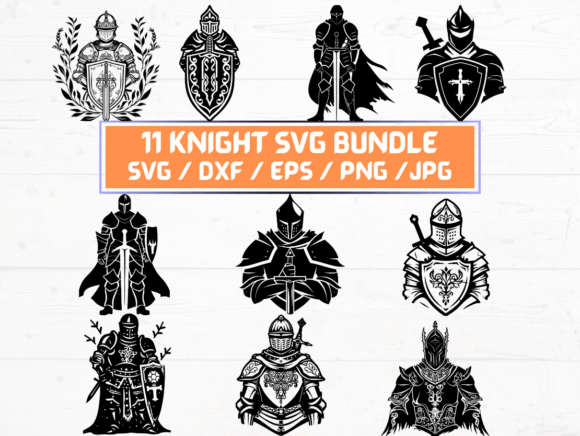
The Knight SVG File mentioned in this listing is a specific example of an SVG file that may be used for design, illustration, or branding purposes. These files are often used in web development, graphic design, and print media due to their versatility and high resolution.
Why Use SVG Files?
- Scalability: SVG files can be scaled to any size without losing clarity, making them ideal for logos, icons, and illustrations that need to be used across different platforms and devices.
- Small File Size: Because SVGs are based on vectors rather than pixels, they tend to have smaller file sizes compared to similar raster images, which can improve website performance and reduce loading times.
- Interactivity: SVGs can be animated and manipulated using CSS and JavaScript, allowing for dynamic and interactive visual elements on websites.
- Compatibility: SVG files are supported by all modern web browsers and can be embedded directly into HTML documents.
Digital Product Formats: More Than Just SVG
While SVG files are powerful, they are just one of many digital product formats available. The listing includes a variety of formats such as PNG, JPG, EPS, DXF, and more, each with its own unique advantages and use cases.
Understanding the File Formats Included
This digital product comes with a ZIP folder containing multiple file types, ensuring compatibility across different software and platforms. Here’s a breakdown of the included formats:
- SVG Files: Ideal for web use, scalability, and interactivity.
- PNG Files: Best for images with transparent backgrounds and high quality.
- JPG Files: Suitable for photographs and complex images with rich color details.
- EPS Files: Commonly used in print design and vector graphics for professional printing.
- DXF Files: Used primarily in CAD (Computer-Aided Design) software for technical drawings and engineering projects.
Why Multiple Formats?
Offering multiple file formats ensures that users can choose the best option for their specific needs. For instance, while SVG files are perfect for web and digital use, EPS and DXF files are preferred in print and technical environments. PNG files are great for maintaining transparency, and JPG files are ideal for photographs and complex visuals.
The Role of Digital Products in Modern Work and Creativity
Digital products like the Knight SVG File play a crucial role in modern creative workflows. Whether you're a designer, developer, or small business owner, having access to high-quality, versatile file formats can significantly enhance your productivity and output.
For example, a graphic designer might use SVG files for creating responsive website icons, while a marketing professional could use PNG files for social media graphics. Engineers and architects may rely on DXF files for precise technical drawings, and educators might use these files to create engaging visual materials for students.
How to Use These Files
- Download the ZIP Folder: Instant download is available, so you can access all the files immediately after purchase.
- Extract the Files: Use a file extraction tool to open the ZIP folder and access the individual files.
- Open in Compatible Software: Depending on the file type, use appropriate software such as Adobe Illustrator for SVG and EPS files, Photoshop for PNG and JPG files, or CAD software for DXF files.
- Use as Needed: Apply the files to your projects, whether for web design, print, or other creative endeavors.
Common Misconceptions About Digital Product Files
There are several misconceptions about digital product files that can lead to confusion. One common misunderstanding is that all vector files are the same. In reality, while SVG and EPS files are both vector-based, they serve different purposes and are optimized for different applications.
Another misconception is that higher resolution always means better quality. While 300 DPI (dots per inch) is standard for print, it doesn't necessarily mean that a file will look better on a screen. Resolution matters more for print than for digital displays.
Choosing the Right Format for Your Project
Selecting the right file format depends on your project's requirements. Here are some guidelines:
- Web Use: Choose SVG for scalability and interactivity, or PNG for transparency.
- Print Use: Opt for EPS or PDF for high-quality, professional-grade prints.
- Technical Drawings: Use DXF for precision and compatibility with CAD software.
- Photography: Go with JPG for complex images and rich color details.
Conclusion: The Value of Digital Product Files
In conclusion, digital product files like the Knight SVG File offer a versatile and valuable resource for creators, professionals, and businesses. Understanding the different formats and their uses can help you make informed decisions and maximize the potential of your projects.
Whether you're working on a website, designing for print, or creating technical drawings, having access to a variety of file formats ensures that you can meet the demands of your audience and deliver high-quality results. With the right tools and knowledge, you can unlock new possibilities in your creative and professional work.