Understanding Guitar SVG File and Its Role in Creative Workflows
The Guitar SVG File is a versatile digital asset that serves as a foundational element in graphic design, illustration, and creative projects. As a scalable vector graphic format, it offers high-quality visuals with transparent backgrounds, making it ideal for use across multiple platforms and applications. Whether you're a designer, marketer, educator, or hobbyist, understanding how to leverage the Guitar SVG File can significantly enhance your workflow efficiency and output quality.
What Is a Guitar SVG File?
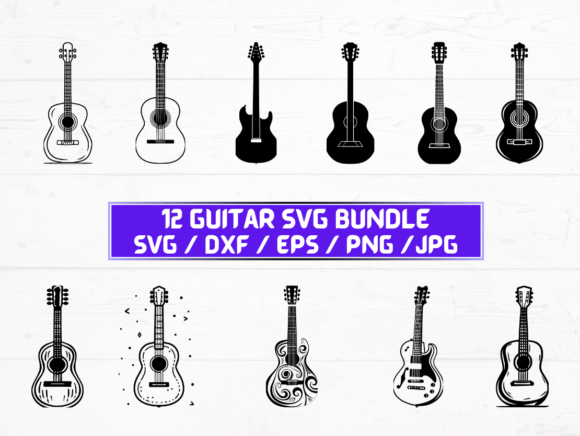
An SVG file, or Scalable Vector Graphics file, is a type of image format that uses XML-based code to define shapes, colors, and other visual elements. Unlike raster formats like JPEG or PNG, SVG files are resolution-independent, meaning they maintain clarity at any size. The Guitar SVG File specifically refers to a set of 12 vector graphics representing a guitar, available in multiple formats including SVG, PNG, JPG, DXF, and EPS. These files are designed for easy integration into various design tools and workflows.
Each Guitar SVG File comes with a transparent background, ensuring compatibility with a wide range of design software and applications. This makes them particularly useful for creating logos, icons, illustrations, and other visual assets that require scalability and flexibility.
Integration Into Creative Workflows
The Guitar SVG File fits naturally into a variety of creative processes, from initial concept development to final production. For instance, designers often use SVG files as base assets when creating branding materials, promotional graphics, or instructional content. In marketing, these files can be used to develop visually appealing social media posts, website banners, and email templates.
For educators and content creators, the Guitar SVG File can serve as an educational tool. It can be used to create interactive learning materials, such as diagrams, infographics, or animated tutorials. The ability to scale and edit SVG files without losing quality ensures that these assets remain effective even when adapted for different platforms or audiences.
In addition, the Guitar SVG File is highly compatible with popular design software such as Adobe Illustrator, Inkscape, and CorelDRAW. This compatibility allows users to customize the files further, adding text, effects, or other graphical elements to suit their specific needs.
Practical Use Cases
The versatility of the Guitar SVG File means it can be applied in numerous ways depending on the project or task at hand. Here are some practical use cases:
- Logo Design: Use the Guitar SVG File as a base for custom logo creation, especially for music-related brands or businesses.
- Graphic Design: Incorporate the file into posters, flyers, or brochures to add a professional and eye-catching visual element.
- Web Development: Embed the SVG directly into HTML code for responsive web designs, ensuring optimal performance and scalability.
- Print Media: Utilize the high-resolution files (300 dpi) for print-ready materials such as business cards, packaging, or signage.
- Interactive Content: Integrate the SVG into animations or interactive presentations using tools like After Effects or PowerPoint.
These use cases demonstrate how the Guitar SVG File can be seamlessly integrated into both digital and physical workflows, offering a balance between creativity and functionality.
Workflow Optimization Tips
When working with the Guitar SVG File, it's important to consider how it fits into your overall workflow. Here are some tips to help streamline the process:
- Organize Your Files: Keep all versions of the Guitar SVG File (SVG, PNG, JPG, etc.) in a structured folder system to ensure easy access and version control.
- Test Compatibility: Before finalizing a project, test the Guitar SVG File in your intended application to ensure there are no formatting issues or scaling problems.
- Use Layered Designs: If editing the file in a vector editor, work with layers to maintain flexibility and make future edits easier.
- Export in Multiple Formats: Take advantage of the multi-format support by exporting the Guitar SVG File in the most suitable format for each stage of your project.
- Backup Regularly: Since this is a digital product, ensure you have backups of all files to prevent data loss or corruption.
By following these best practices, you can maximize the utility of the Guitar SVG File while minimizing potential obstacles in your workflow.
Collaboration and Long-Term Use
The Guitar SVG File is not just a one-time asset—it's a resource that can be used throughout the lifecycle of a project or business. For collaborative environments, such as team-based design or marketing efforts, having a standardized file format ensures consistency across different contributors.
Moreover, the file’s transparency and scalability make it ideal for long-term use. Whether you're developing a brand identity, creating a series of promotional materials, or designing an ongoing product line, the Guitar SVG File provides a reliable foundation that can evolve with your needs.
For small business owners and entrepreneurs, integrating the Guitar SVG File into their branding strategy can help establish a cohesive visual identity. This, in turn, can improve brand recognition and customer engagement.
Conclusion
The Guitar SVG File is more than just a graphic—it's a powerful tool that enhances creativity, efficiency, and consistency in a wide range of workflows. By understanding its capabilities and how it integrates with other resources, you can unlock new possibilities in your design, marketing, or educational projects. Whether you're a professional or a hobbyist, leveraging the Guitar SVG File can elevate your work and streamline your creative process.