Strategic Use of Squash SVG File for Creative and Business Success
The Squash SVG File is more than just a digital asset—it’s a versatile tool that can significantly enhance creative workflows, branding efforts, and operational efficiency. In today’s fast-paced digital landscape, having access to high-quality vector graphics in multiple formats is essential for professionals across various industries. Whether you're an entrepreneur, marketer, or educator, understanding how to leverage the Squash SVG File strategically can lead to better decision-making and improved outcomes.
Understanding the Value of Squash SVG File
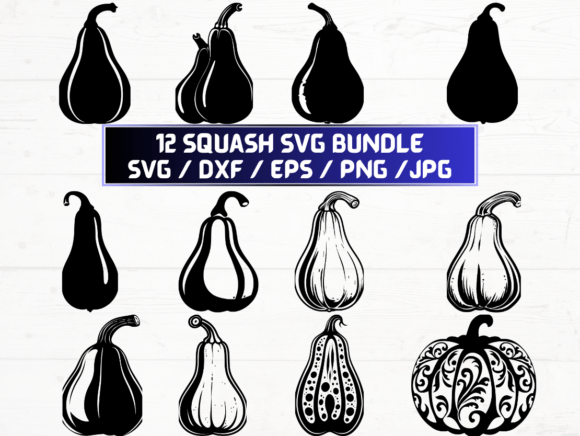
Squash SVG File refers to a set of scalable vector graphic files designed for use across different platforms and applications. This particular listing includes 5 files in a ZIP folder, offering a comprehensive collection of 12 SVG, PNG, DXF, JPG, and EPS files. Each file is crafted with a transparent background and at 300 dpi resolution, ensuring compatibility with both digital and print media.
Unlike traditional image formats such as JPEG or PNG, SVG files are resolution-independent, meaning they maintain clarity at any size. This makes them ideal for use in logos, icons, illustrations, and other visual elements that require scalability without loss of quality. The inclusion of multiple file types also ensures flexibility, allowing users to choose the most suitable format based on their specific needs.
How Squash SVG File Supports Strategic Goals
Integrating the Squash SVG File into your workflow can support a wide range of strategic objectives. From branding to content creation, this resource offers practical benefits that align with long-term goals.
For instance, businesses aiming to build a strong brand identity can use the Squash SVG File to create consistent visual elements. Logos, social media graphics, and marketing materials can all be customized using these files, ensuring a cohesive look across all touchpoints. This consistency helps reinforce brand recognition and trust among customers.
Similarly, educators and content creators can benefit from the versatility of the Squash SVG File. These files can be used to develop instructional materials, infographics, and interactive presentations. Their scalability allows for easy adaptation to different screen sizes and resolutions, making them ideal for online learning platforms and digital publications.
Practical Applications and Use Cases
The Squash SVG File is not limited to one specific application—it can be used in a variety of contexts depending on the user's needs. Here are some common use cases:
- Branding: Create logos, icons, and visual assets that represent your brand consistently across all platforms.
- Marketing: Design social media graphics, email templates, and promotional materials with high-quality visuals.
- Education: Develop lesson plans, diagrams, and interactive content for students and learners.
- Design Projects: Use the files in graphic design software like Adobe Illustrator or Inkscape to customize and refine your designs.
- Print Media: Utilize the 300 dpi resolution for professional printing, ensuring crisp and clear output.
Each of these applications highlights the strategic value of the Squash SVG File. By choosing the right format and using it intentionally, you can achieve better results in your creative and business endeavors.
Planning and Decision-Making with Squash SVG File
Before incorporating the Squash SVG File into your projects, it’s important to consider your goals and the context in which you’ll be using it. A thoughtful approach ensures that the file serves its intended purpose effectively.
Start by defining what you want to achieve. Are you looking to enhance your brand’s visual presence? Or do you need high-quality images for a specific project? Clarifying your objectives will help you select the most appropriate file type and format.
Next, evaluate the tools and platforms you’ll be using. Some file formats may be more compatible with certain software or devices. For example, SVG files work well with web-based applications, while EPS files are often preferred for print design. Understanding these nuances can save time and prevent unnecessary complications.
Finally, consider the long-term implications of your decisions. Will the Squash SVG File continue to serve your needs as your project evolves? Ensuring that your choices align with future goals helps maximize the value of the resource over time.
Risks of Using Squash SVG File Without Clear Context
While the Squash SVG File offers numerous benefits, using it without a clear strategy or context can lead to suboptimal results. One common risk is the potential for misalignment with broader goals. If the file isn’t integrated into a cohesive plan, it may fail to deliver the desired impact.
Another risk is the lack of customization. Although the files provide a solid foundation, they may not fully meet the unique requirements of your project. Relying solely on pre-designed assets without adapting them to your specific needs can result in a generic outcome that doesn’t resonate with your audience.
Additionally, neglecting to consider technical compatibility can lead to issues during implementation. For example, using an SVG file in a platform that doesn’t support vector graphics may result in distorted or incomplete visuals. Always verify that the chosen format is suitable for your intended use case.
Maximizing Long-Term Value with Squash SVG File
To ensure the Squash SVG File continues to deliver value over time, it’s essential to approach it with intentionality and adaptability. Here are some strategies to help you maximize its long-term impact:
- Plan Ahead: Integrate the file into your overall strategy early in the planning phase. This ensures that it aligns with your goals and supports your vision.
- Customize Thoughtfully: Modify the file to suit your specific needs while maintaining its core functionality. Avoid making unnecessary changes that could compromise its quality.
- Stay Updated: Keep track of new developments in design software and file formats. This allows you to leverage the latest advancements and maintain relevance in your field.
- Document Your Process: Record how you’ve used the Squash SVG File in past projects. This documentation can serve as a reference for future projects and help streamline your workflow.
- Evaluate Regularly: Periodically assess whether the file still meets your needs. If your goals have changed, consider exploring alternative resources or updating your approach.
By following these principles, you can ensure that the Squash SVG File remains a valuable asset in your toolkit, supporting your creative and business objectives for years to come.