Integrating Havanese Head SVG, DXF, EPS, JPG, and PNG into Creative Workflows
The Havanese Head SVG, DXF, EPS, JPG, and PNG files represent a versatile digital asset that can be seamlessly integrated into a wide range of creative and professional workflows. These file formats are not just standalone images but are part of a broader ecosystem of design tools and platforms that cater to both beginners and advanced users. Whether you're a graphic designer, marketer, educator, or small business owner, understanding how to leverage these files effectively can significantly enhance your productivity and output quality.
Understanding the File Formats
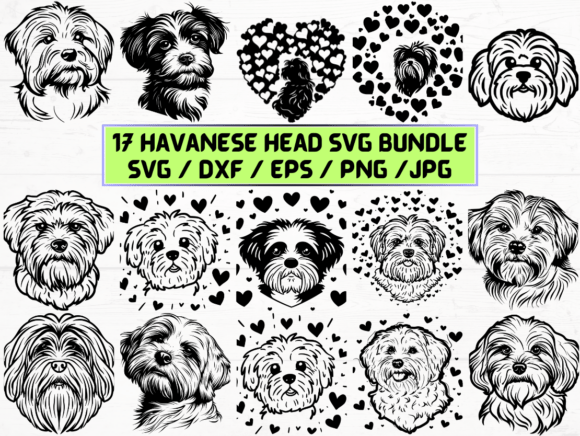
Havanese Head is a popular subject in design due to its distinctive appearance and emotional appeal. The availability of this image in multiple formats—SVG, DXF, EPS, JPG, and PNG—ensures compatibility with various software applications and use cases. Each format has its own strengths and ideal applications:
- SVG (Scalable Vector Graphics): Ideal for web design and responsive layouts due to its scalability without loss of quality.
- DXF (Drawing Exchange Format): Commonly used in CAD software for engineering and architectural designs.
- EPS (Encapsulated PostScript): Suitable for high-quality print and vector-based illustrations.
- JPG (Joint Photographic Experts Group): Best for photographs and images with rich color detail.
- PNG (Portable Network Graphics): Offers transparency support, making it great for overlays and web graphics.
Having access to all these formats ensures that you can choose the most appropriate one depending on the project's requirements, whether it's for print, web, or digital media.
Where Does It Fit in the Workflow?
The Havanese Head digital assets fit naturally into several stages of a creative or business workflow. Before starting a project, these files can serve as reference material or inspiration. During the design phase, they can be incorporated into mockups, branding materials, or social media content. After the project is complete, they can be archived for future use or repurposed for new campaigns.
For instance, a marketing team might use the Havanese Head PNG in a campaign poster, while a web developer could integrate the SVG version into a website's header. A small business owner may use the JPG format for print advertisements or the EPS for a brochure layout. This flexibility makes the Havanese Head digital assets a valuable resource across different industries and roles.
Integration with Design Tools and Platforms
The versatility of Havanese Head files lies in their compatibility with a wide array of design tools and platforms. Whether you're using Adobe Illustrator, Inkscape, Canva, or even Figma, these files can be imported and manipulated with ease. This compatibility is especially important for professionals who work across multiple platforms and need consistency in their design outputs.
For example, a freelance designer working on a logo project might use the SVG file in Adobe Illustrator for precise vector editing and then export it as a PNG for use on a client's website. Similarly, an educator creating visual aids for a lesson plan might use the EPS format in PowerPoint or Google Slides for high-quality, scalable visuals.
Additionally, the transparent background feature of the PNG and SVG files allows for seamless integration into layered designs. This is particularly useful when creating templates or overlays that require blending with other elements without visible artifacts.
Practical Implementation Tips
To make the most out of the Havanese Head digital assets, consider the following practical tips:
- Organize Your Files: Create a dedicated folder structure for each file type to ensure easy access and management. This helps prevent confusion and streamlines your workflow.
- Use Appropriate Software: Choose the right tool based on the file format and project needs. For instance, use vector editors for SVG and EPS files, and raster editors for JPG and PNG.
- Test Across Platforms: Ensure that the files render correctly across different devices and platforms. This includes checking responsiveness on mobile and compatibility with various browsers.
- Backup and Version Control: Maintain backups of your files and keep track of different versions to avoid data loss and ensure continuity in your projects.
- Explore Use Cases: Think creatively about how these files can be applied beyond their obvious uses. For example, they can be used as icons, illustrations, or even as part of a larger visual identity system.
By following these best practices, you can maximize the utility of the Havanese Head digital assets and ensure they contribute effectively to your workflow.
Real-World Applications and Use Cases
The Havanese Head files are not limited to a single industry or use case. They can be applied in various scenarios such as:
- Marketing Campaigns: As brand assets, they can be used in social media posts, email newsletters, and promotional materials.
- Education and Training: As visual aids, they can be included in presentations, e-learning modules, or classroom activities.
- Small Business Branding: They can be incorporated into logos, signage, and packaging to create a cohesive brand identity.
- Web Development: Used as icons, headers, or background elements to enhance user experience and visual appeal.
- Graphic Design Projects: Integrated into posters, flyers, and other print materials for a consistent and professional look.
Each of these applications highlights the adaptability of the Havanese Head files and their potential to add value to diverse workflows.
Ensuring Long-Term Usability and Quality
To maintain the long-term usability and quality of the Havanese Head digital assets, it's essential to focus on preparation, organization, and consistency. Here are some key considerations:
- File Naming Conventions: Establish a clear naming system to differentiate between file types and versions. This makes it easier to locate and manage files over time.
- Resolution and Format Selection: Always choose the appropriate resolution and format based on the intended use. High-resolution files are crucial for print, while scalable formats are better suited for digital media.
- Regular Updates: Keep your files updated with the latest versions to ensure they remain relevant and compatible with evolving technologies and platforms.
- Quality Control Checks: Perform regular checks to ensure that the files maintain their quality and integrity, especially after conversions or edits.
By prioritizing these aspects, you can ensure that the Havanese Head digital assets continue to serve your needs effectively over time.